
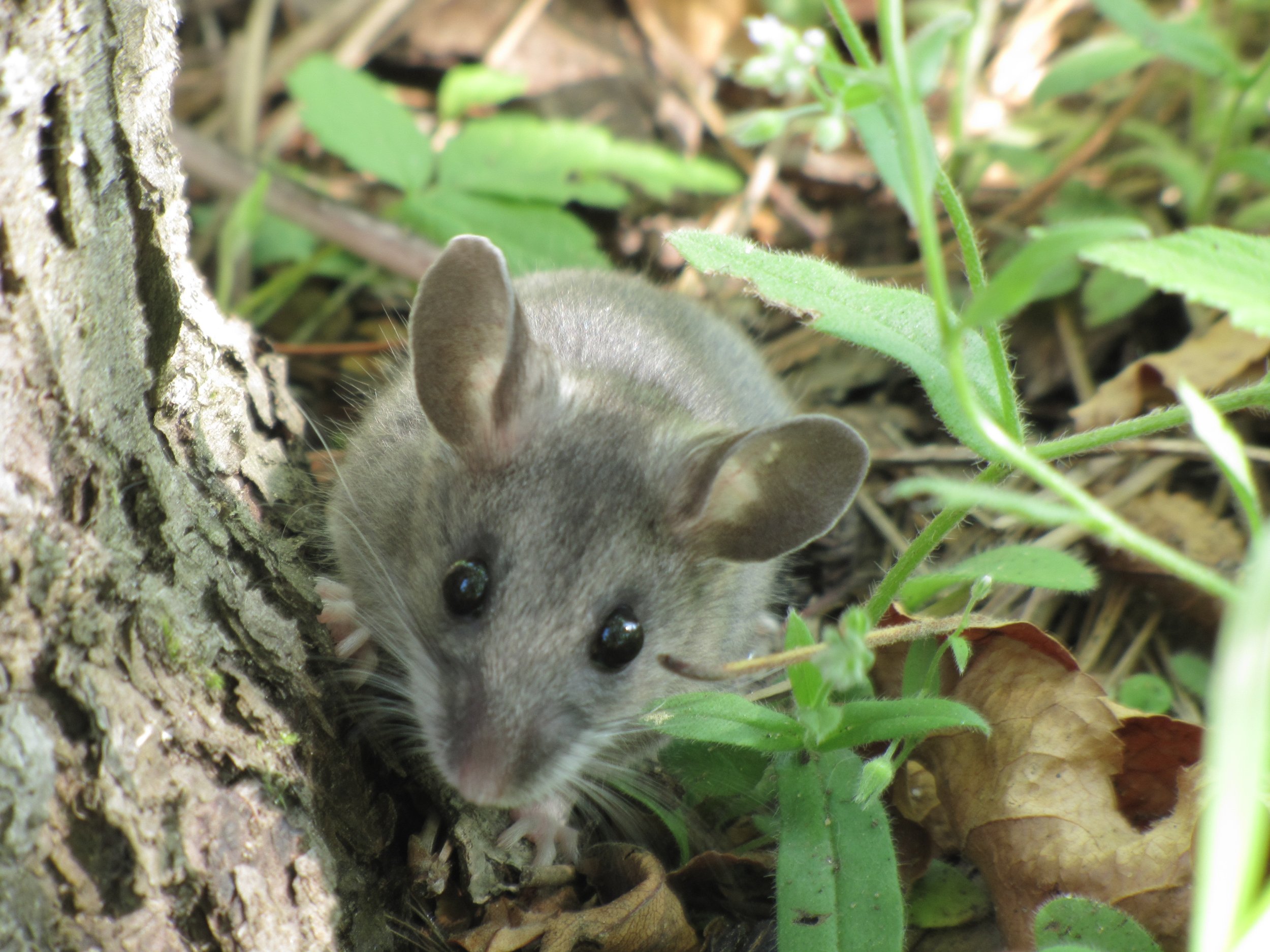
Deer mice are the most abundant as well as one of the most widespread mammals in North America, their distribution ranging from the West coast to the East coast and from Mexico to Alaska. Consequently, deer mice have adapted to almost every terrestrial habitat in the continental U.S., from wetlands to beaches, forests, prairies, deserts, and mountain ranges (Bedford & Hoekstra, 2015; Dewey & Dawson, 2001). This habitat diversity is reflected in a tremendous amount of variation in morphology, physiology, and behaviors. Examples of the latter include variation in climbing, burrowing, nesting, and parental care. Another behavioral axis that has so far received little attention in deer mice is variation in their responses to predators, even though they encounter various predator regimes throughout their range and the ability to avoid predators is arguably of critical importance for a small mammal like a deer mouse. Like most other rodents, deer mice rely heavily on their sense of smell to sense their environments and to detect food, potential mates, and predators. This project will quantify the behavior of wild deer mice to predator odors in the field.
See more from the Kautt Lab.