Sep 6, 2017
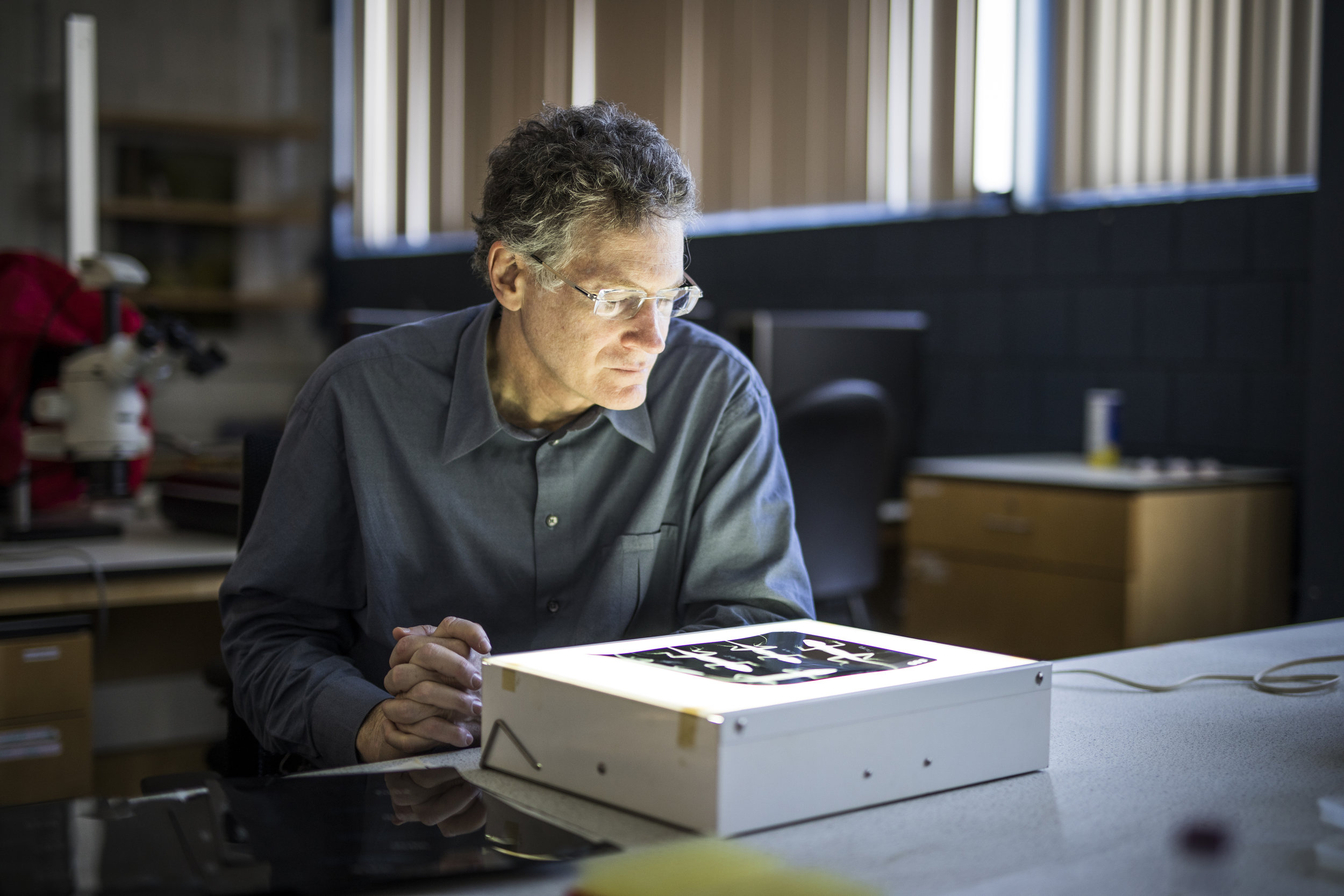
Beginning in January, the Living Earth Collaborative will be headquartered at Washington University under the direction of Losos, who will rejoin the Arts & Sciences faculty at Washington University.

May 20, 2025
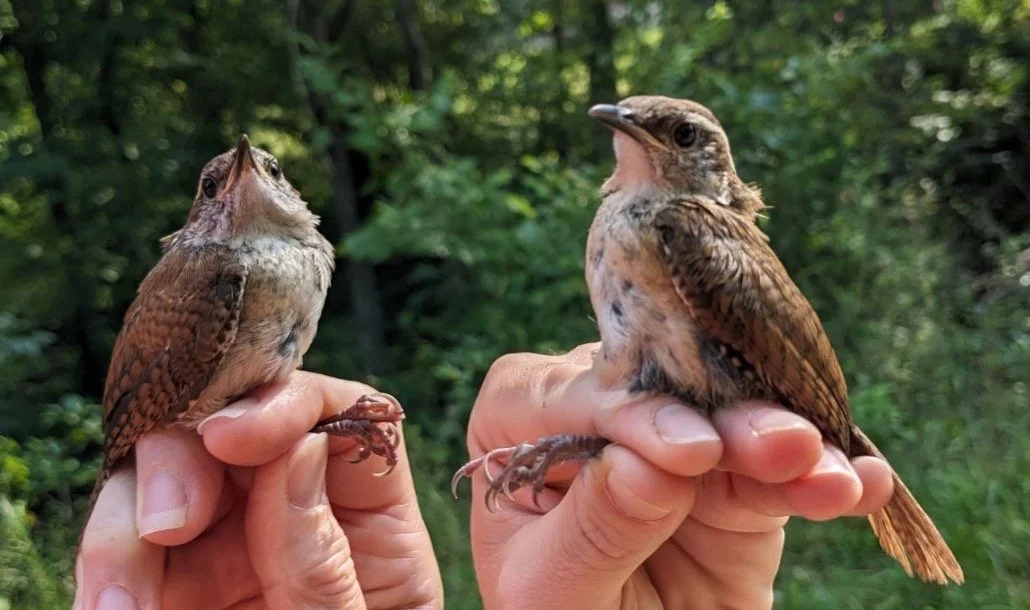
Deep in the heart of the 2,000 acres of Tyson Research Center, as the early morning light filters through the trees, a dedicated team of bird banders is hard at work. Their mission? To track and study migratory birds, contributing to broader research on bird populations and conservation.
Aug 13, 2024
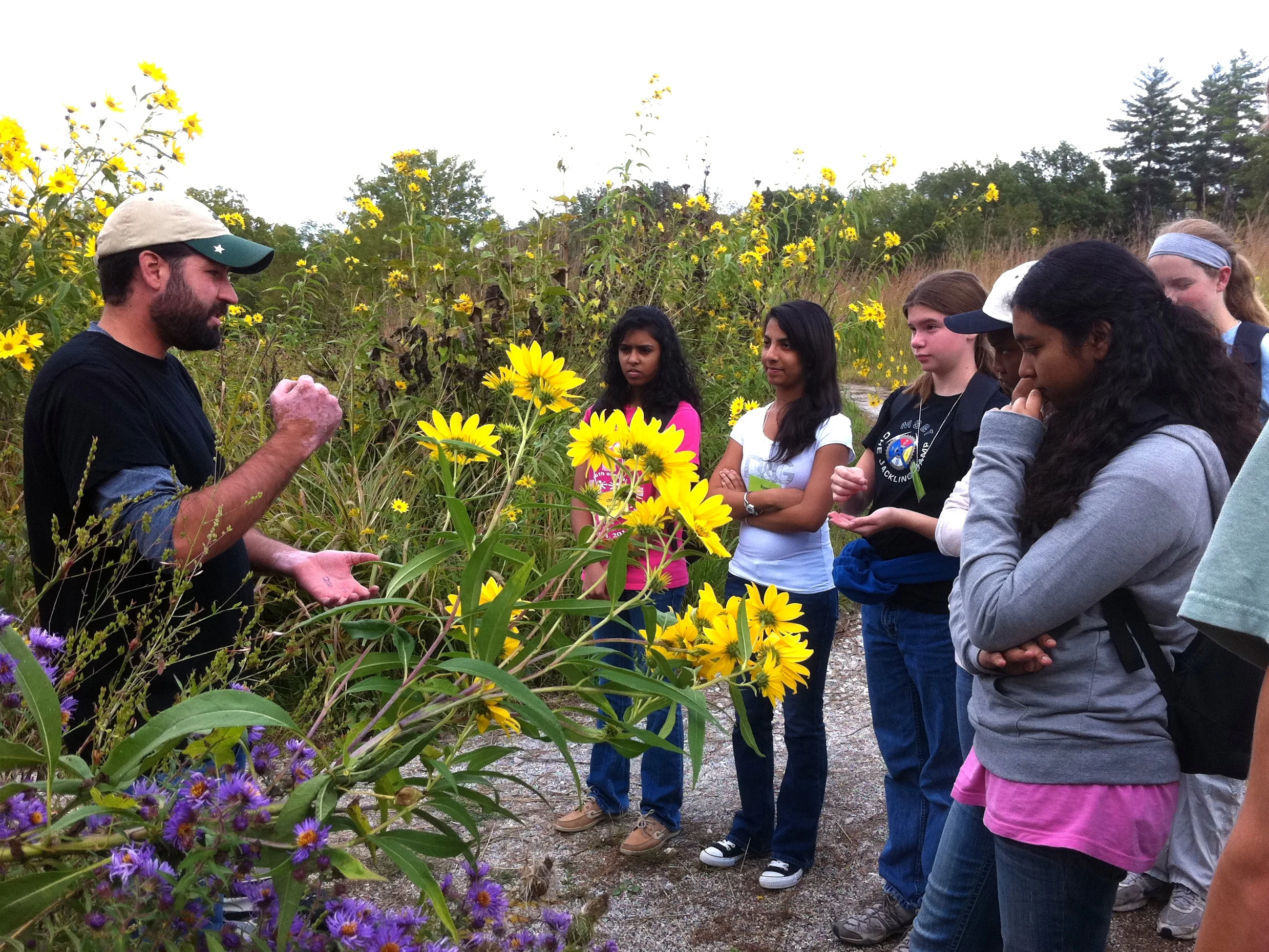
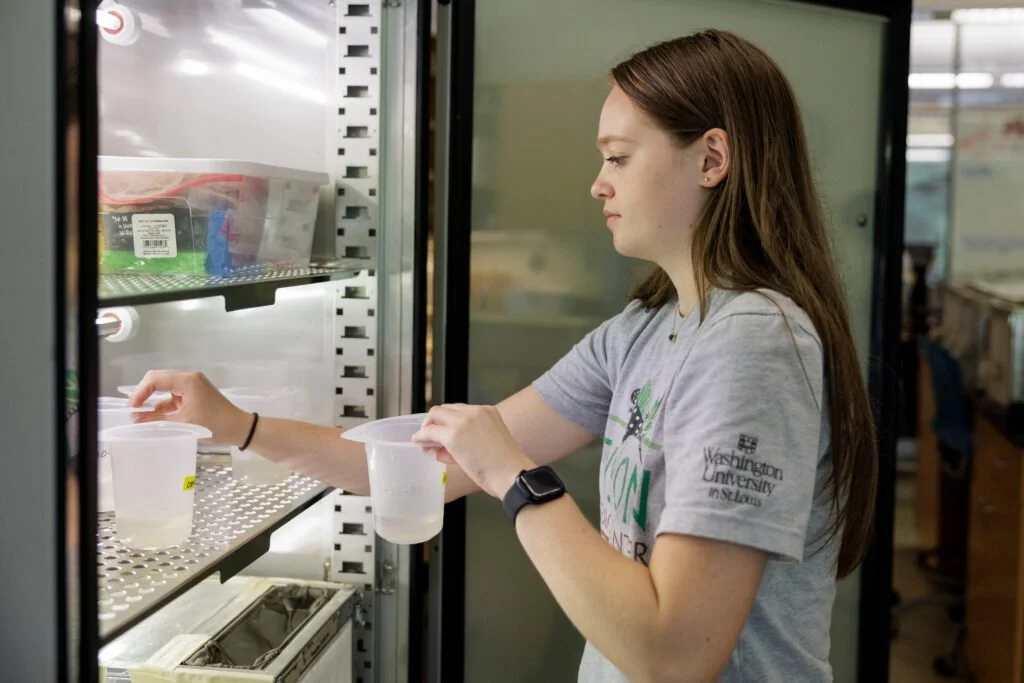
Launched in 2009, the Tyson Environmental Research Apprenticeship (TERA) program has provided about 200 mentored field research opportunities to high school students from across the St. Louis region. TERA aims to treat high schoolers like undergraduate students, giving them more responsibility than they’ve likely had before and holding them to high expectations.
Jul 24, 2024
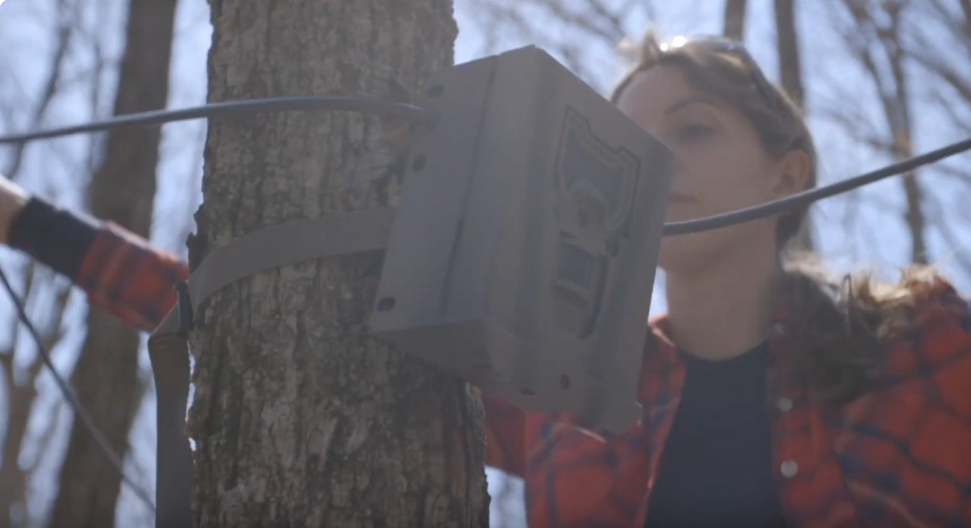
Kathleen Berger, HEC executive producer for science and technology, covered our favorite wildlife monitoring project in Caught on camera! The St. Louis Wildlife Project captures animal diversity and interactions.
Aug 28, 2017
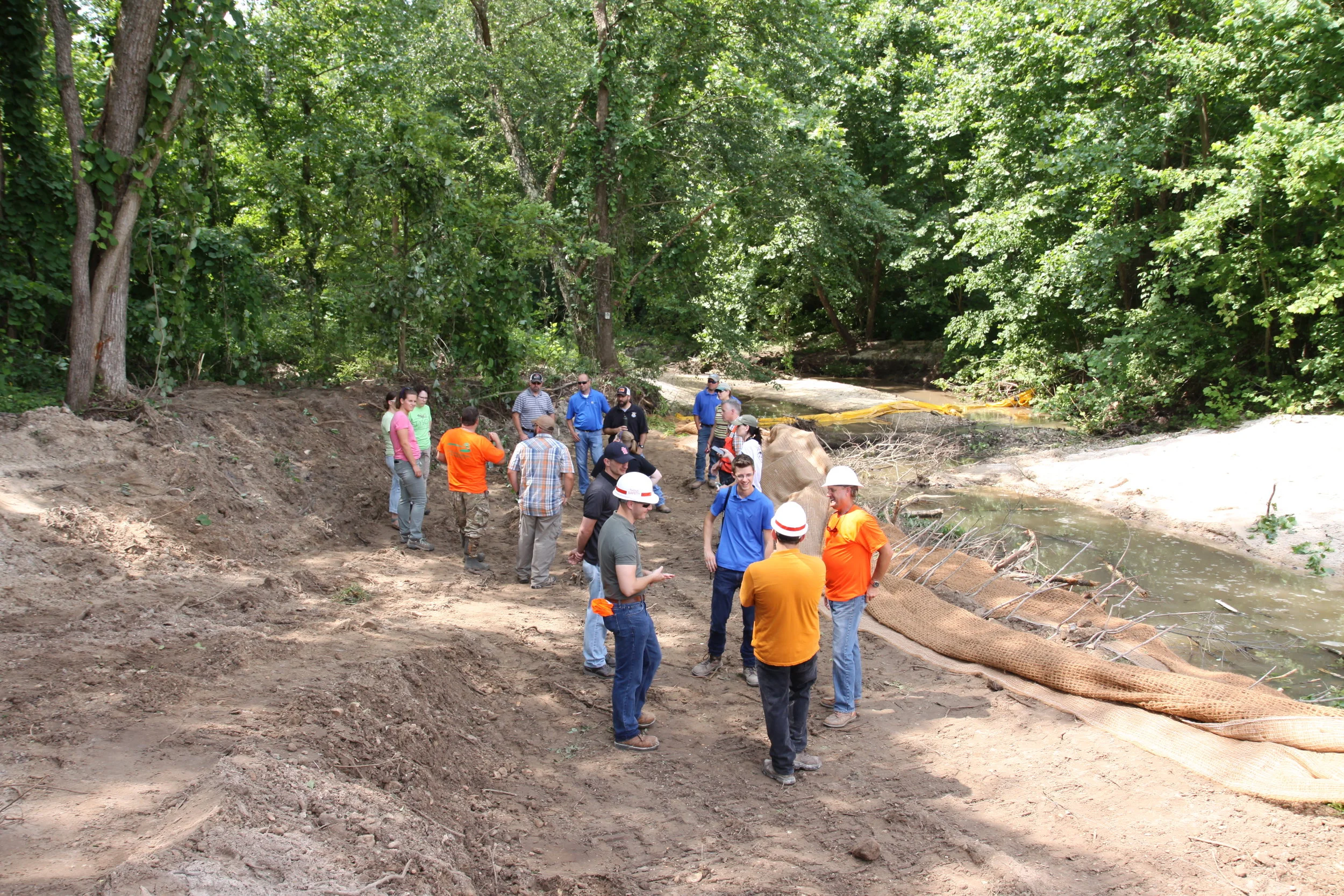
A recent episode of Nine Network's Living St. Louis explored how bioengineers are using green techniques to restore a critical part of LaBarque Creek. Tyson director Kim Medley and The Nature Conservancy's Steve Harrington provide insight into the need for the restoration project and what they hope to achieve.
Jul 24, 2015
The bungalows of Bittner Avenue in the north St. Louis neighborhood of Baden will be torn down this summer, victims of chronic flooding. The demolition is another loss for Baden, a once-vibrant neighborhood with a shrinking tax base. Yet this close-knit community is determined to turn things around with the assistance of a team of Washington University in St. Louis researchers.
Oct 27, 2014
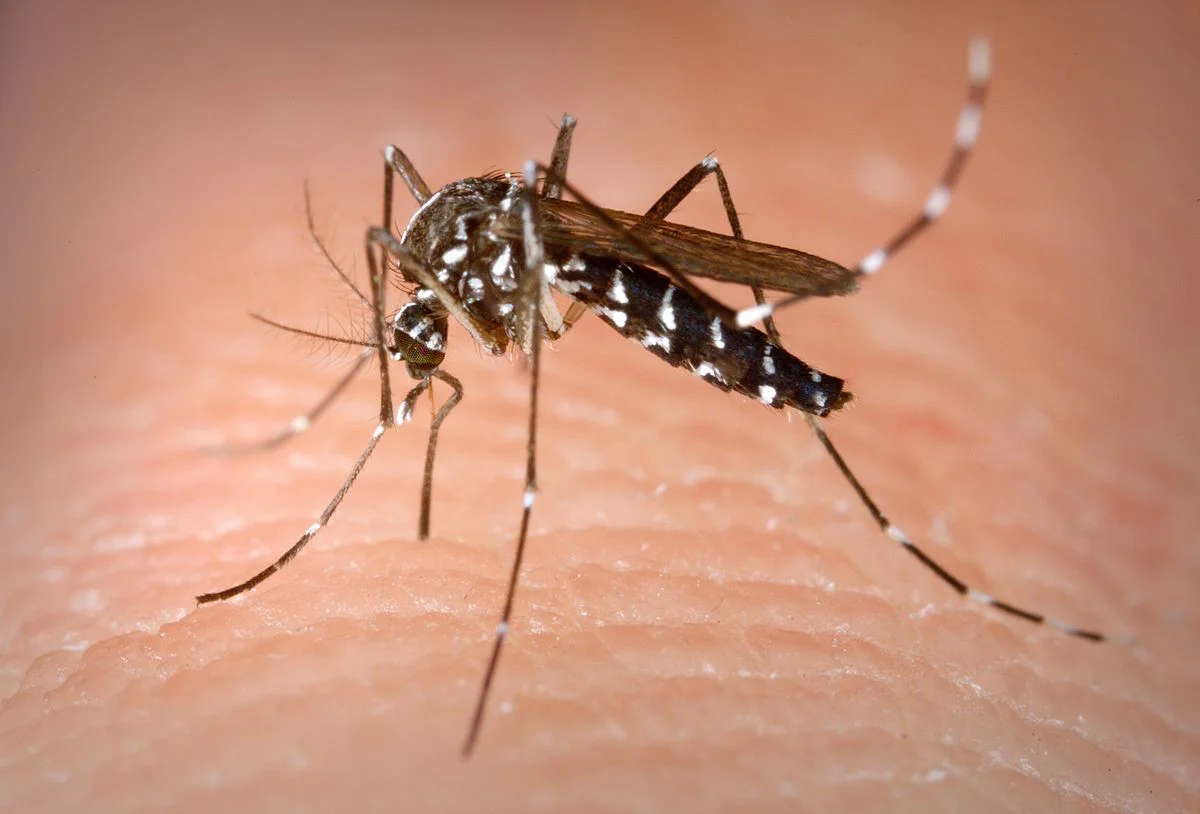
Kim Medley and her colleagues at the University of Central Florida turned to the new discipline of landscape genetics to reconstruct the Asian tiger mosquito (Aedes albopictus) invasion. Correlating genetic patterns with landscape patterns, they concluded that the mosquito had traveled by human-aided “jump” dispersal followed by slower regional spread.
Dec 4, 2013
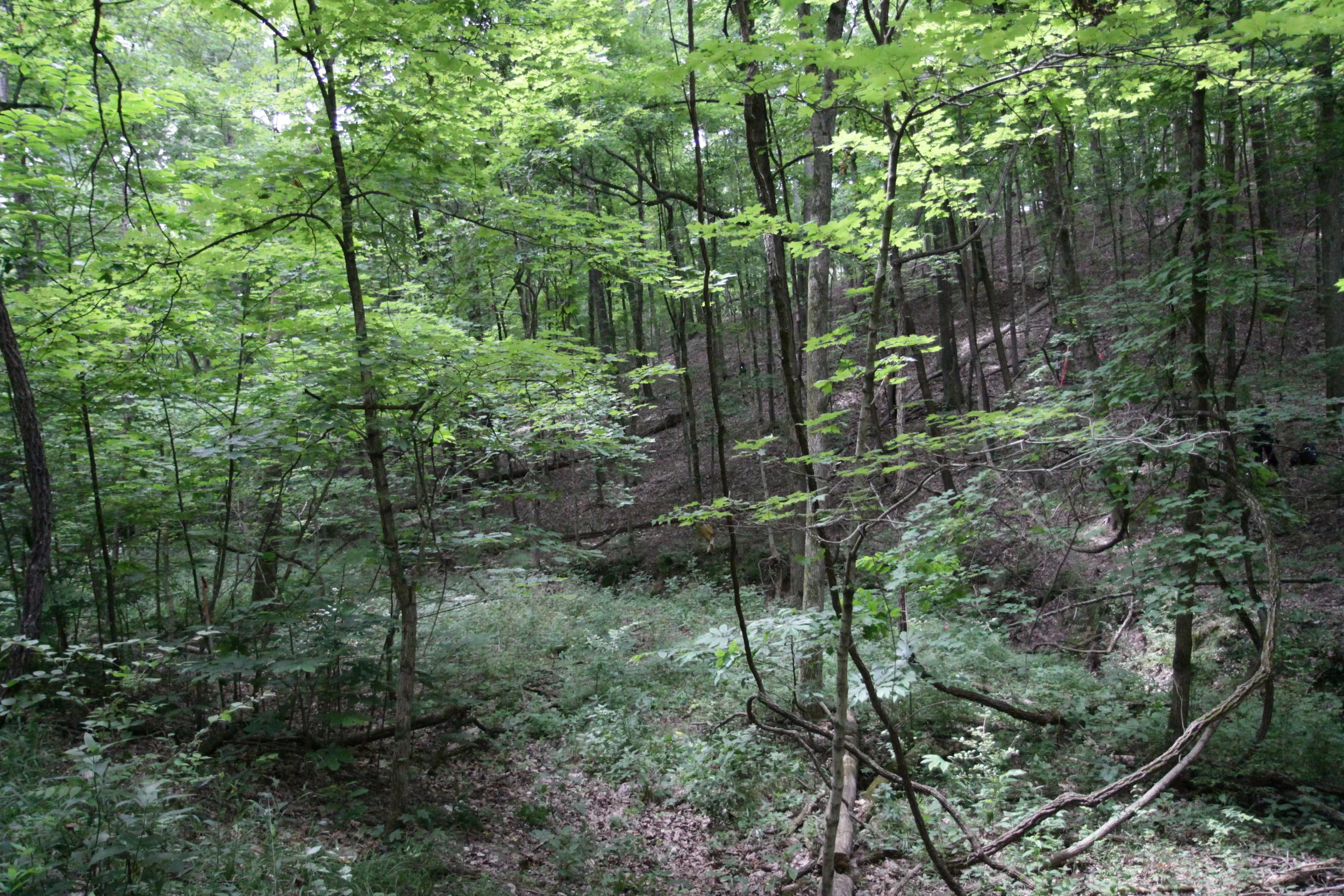
A 60-acre (25-hectare) plot in Washington University in St. Louis’ Tyson Research Center has been named a Forest Global Earth Observatory, or ForestGEO. The oak-hickory forest in the rolling foothills of the Ozarks joins a network of 51 long-term forest study sites in 23 countries, including eight others in the United States.
Nov 22, 2013
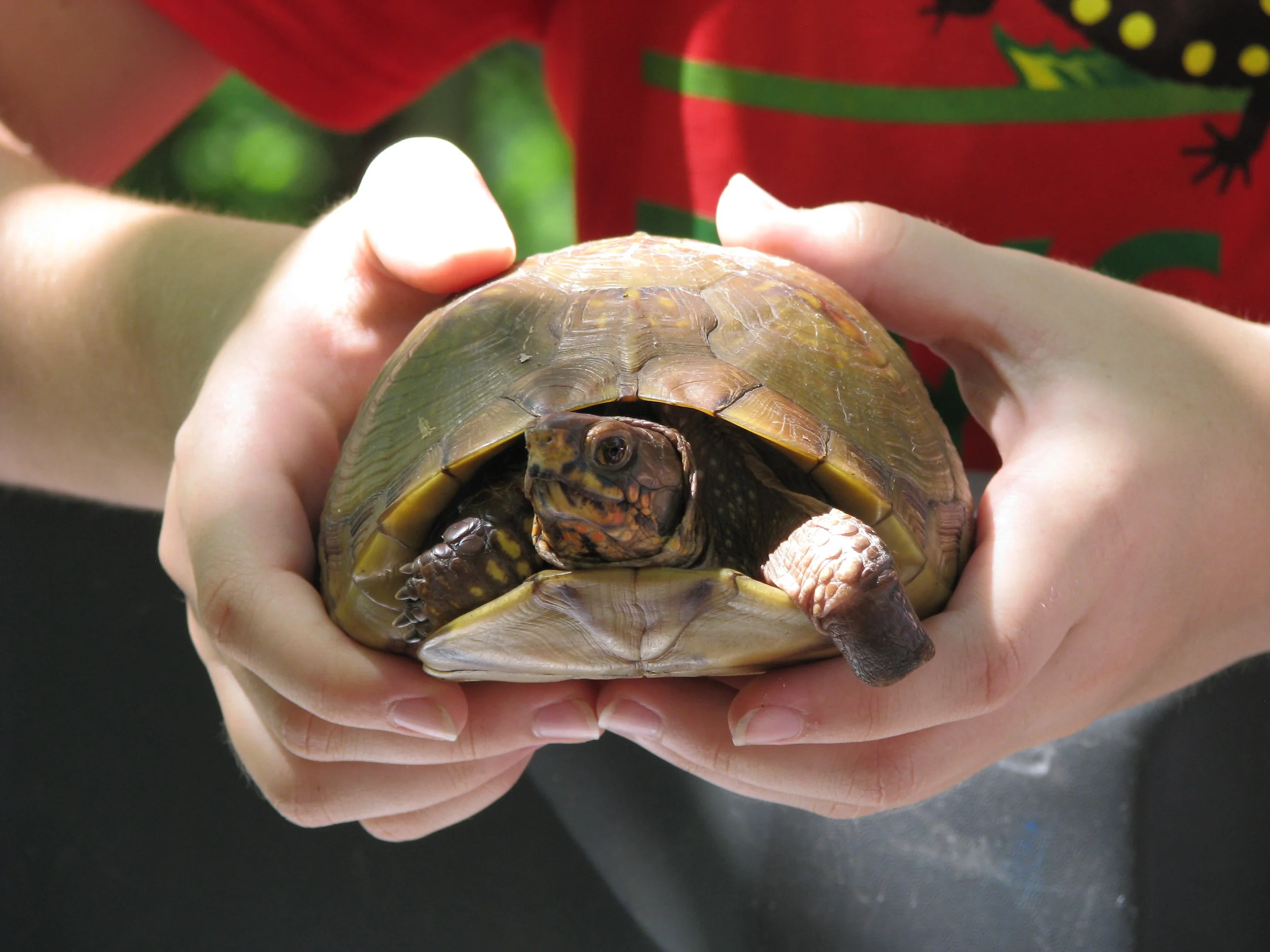
Stephen Blake, a visiting scientist who studies the 'movement ecology' of giant tortoises, uses box turtles to coax St. Louis kids back in the woods. Tyson high school and undergraduate fellows play a role in the St. Louis Box Turtle Project as they track Tyson turtles during warm weather months.
Oct 29, 2012
Originated in 2008 through a grant from the National Science Foundation, SIFT (Shaw Institute for Field Training) and TERF (Tyson Environmental Research Fellowships) are a collaboration between WUSTL’s Tyson Research Center and the Shaw Nature Reserve to give high school students experience in environmental research.
Jan. 27th, 2012
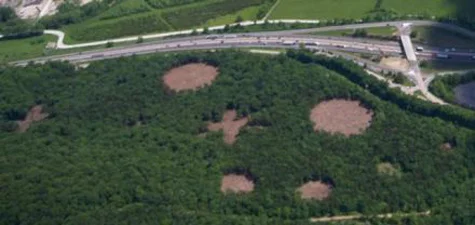
Tyson glade project underway! This project is exploring how the size and shape of a glade effect plant diversity and seed recruitment. Our experimental glades are maintained through fire which helps control woody species from colonizing. The glade project was featured in WUSTL's the Source.
Oct 10, 2011
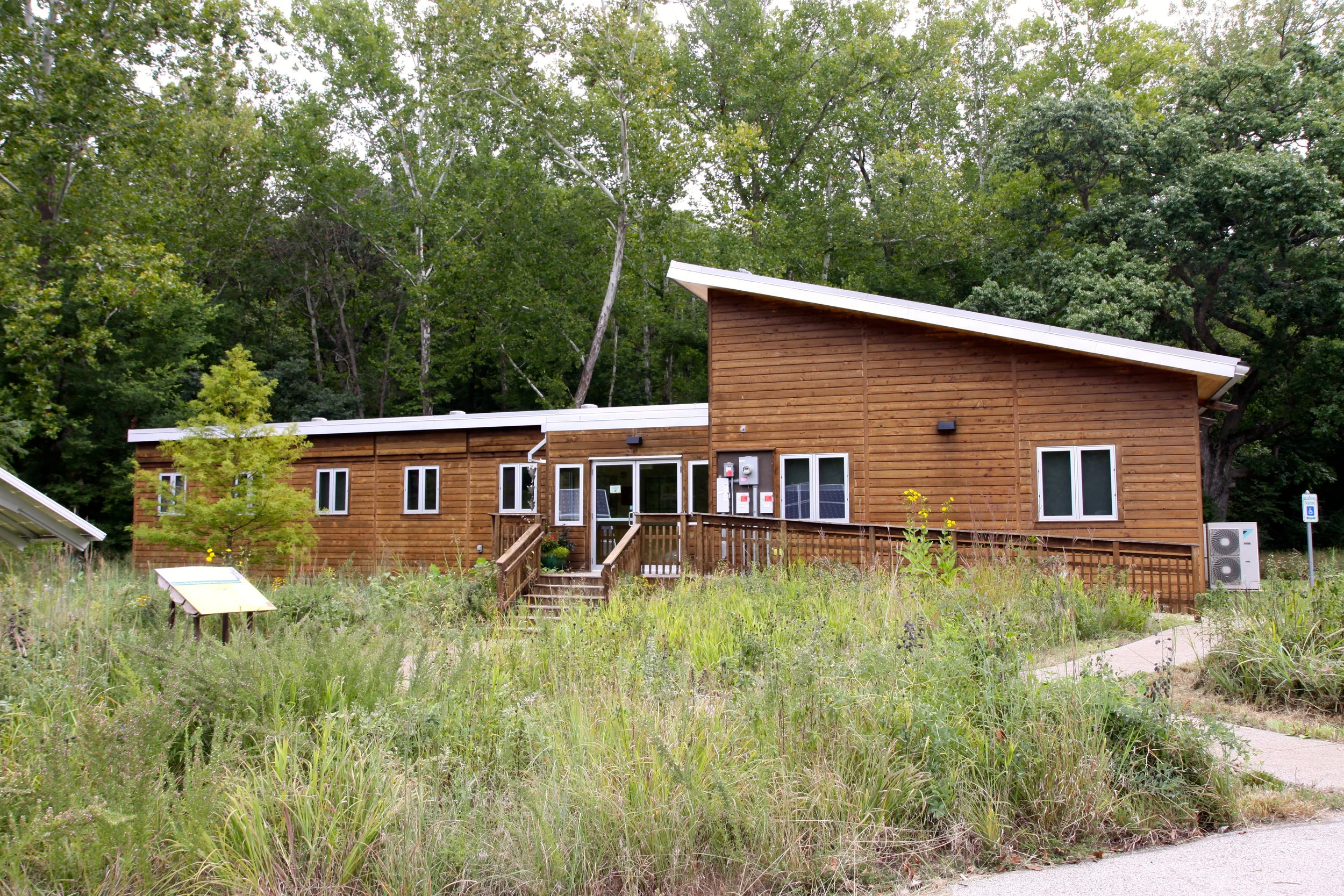
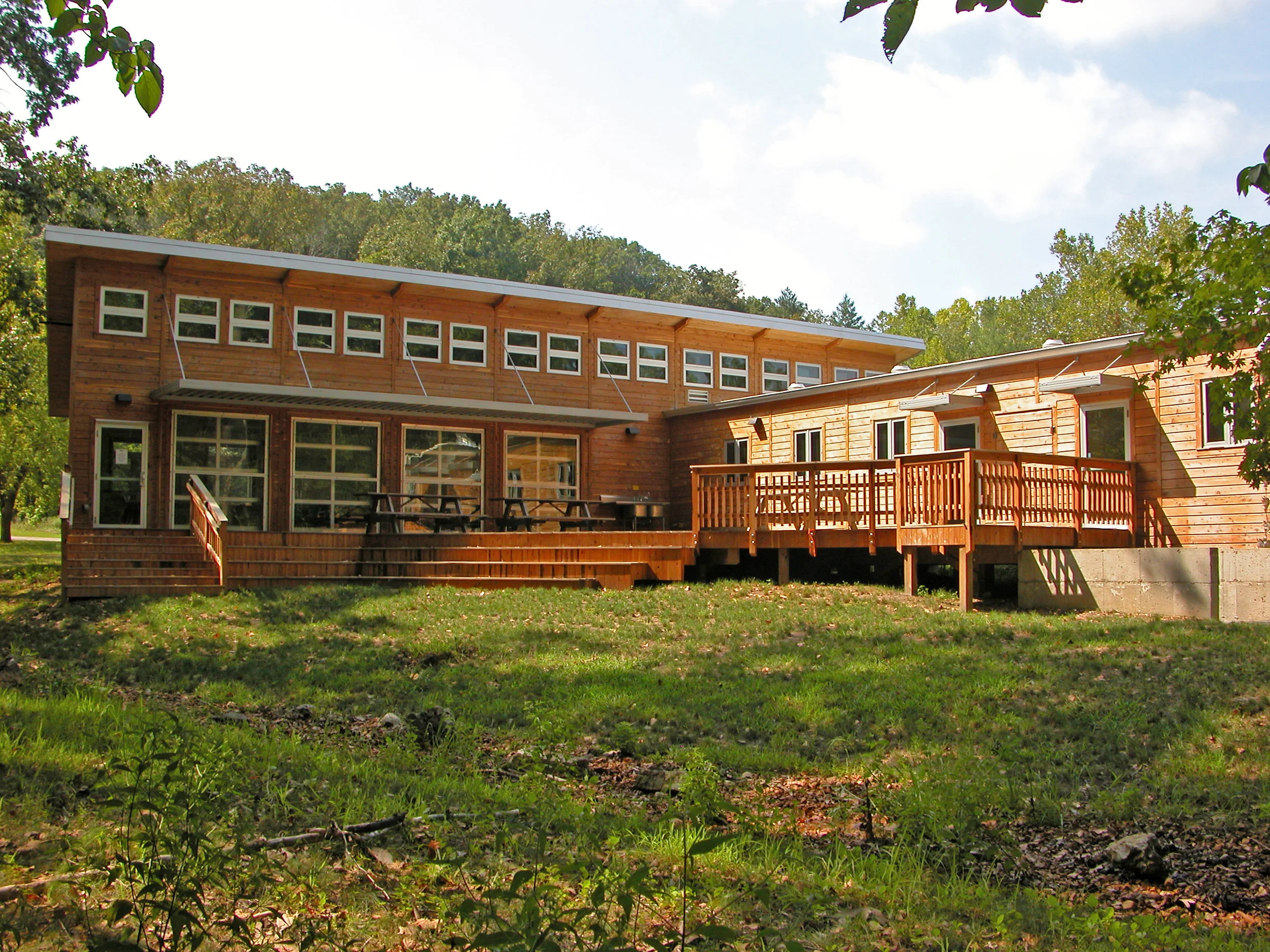
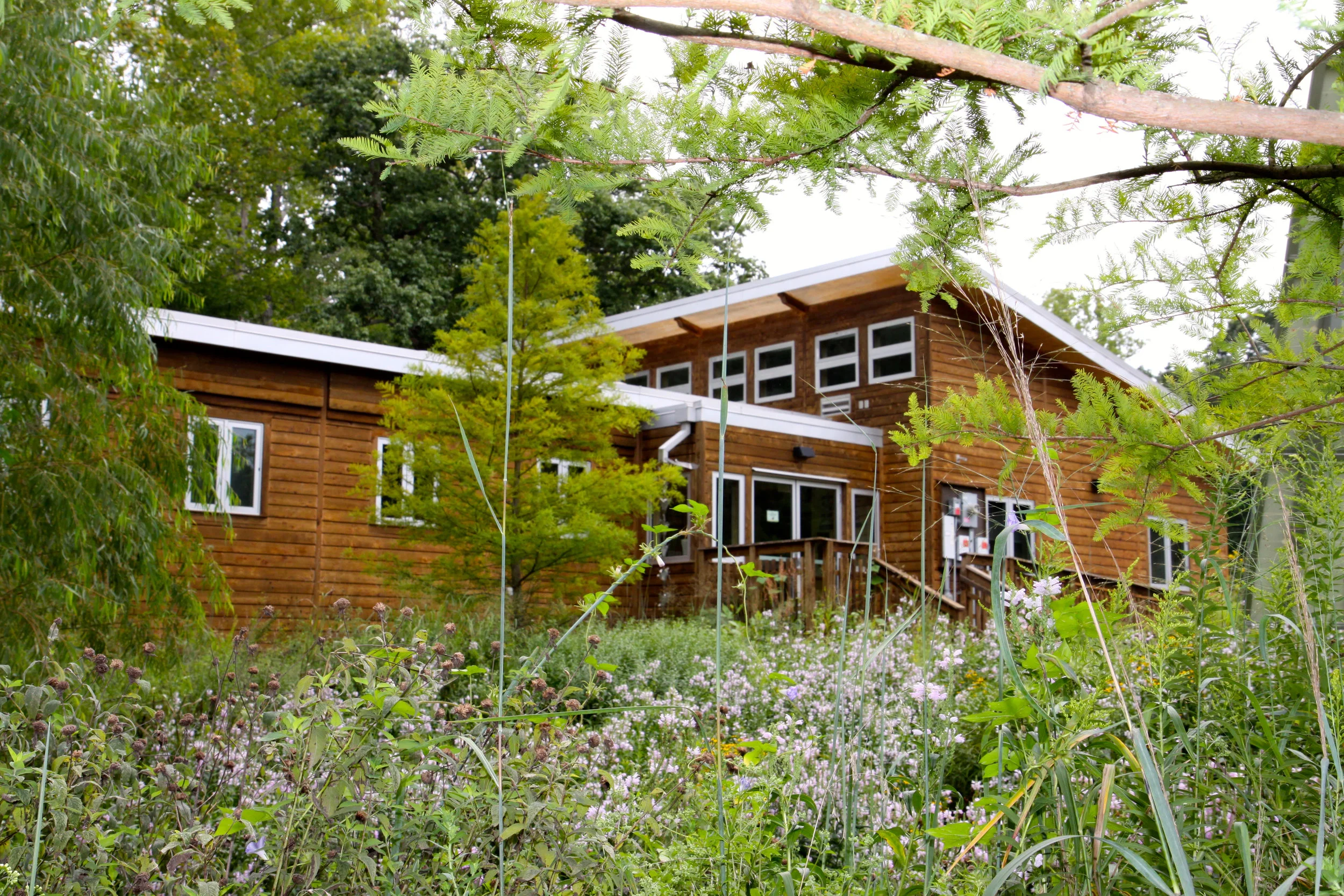
The Association for the Advancement of Sustainability in Higher Education (AASHE) named Washington University in St. Louis as the winner of its “Best Lessons Learned Case Study Award” Oct. 11 during the AASHE 2011 Conference in Pittsburgh. The award recognizes honest disclosure of lessons learned in constructing a building that required zero net-energy input.
Mar 9, 2011
In this activity, students will explore how solar panels work by building circuits and using a solar panel to light a bulb. Then students will build a solar-powered house using a shoebox, and test some variables to determine the most efficient way to harness solar energy to power a model home.
Oct 12, 2010
The Living Learning Center just became one of the first “living buildings” in the world, a title that requires net zero energy usage and net zero wastewater production over the course of a year. The challenge is widely recognized as the world’s most rigorous green building performance standard.