
research team mentors
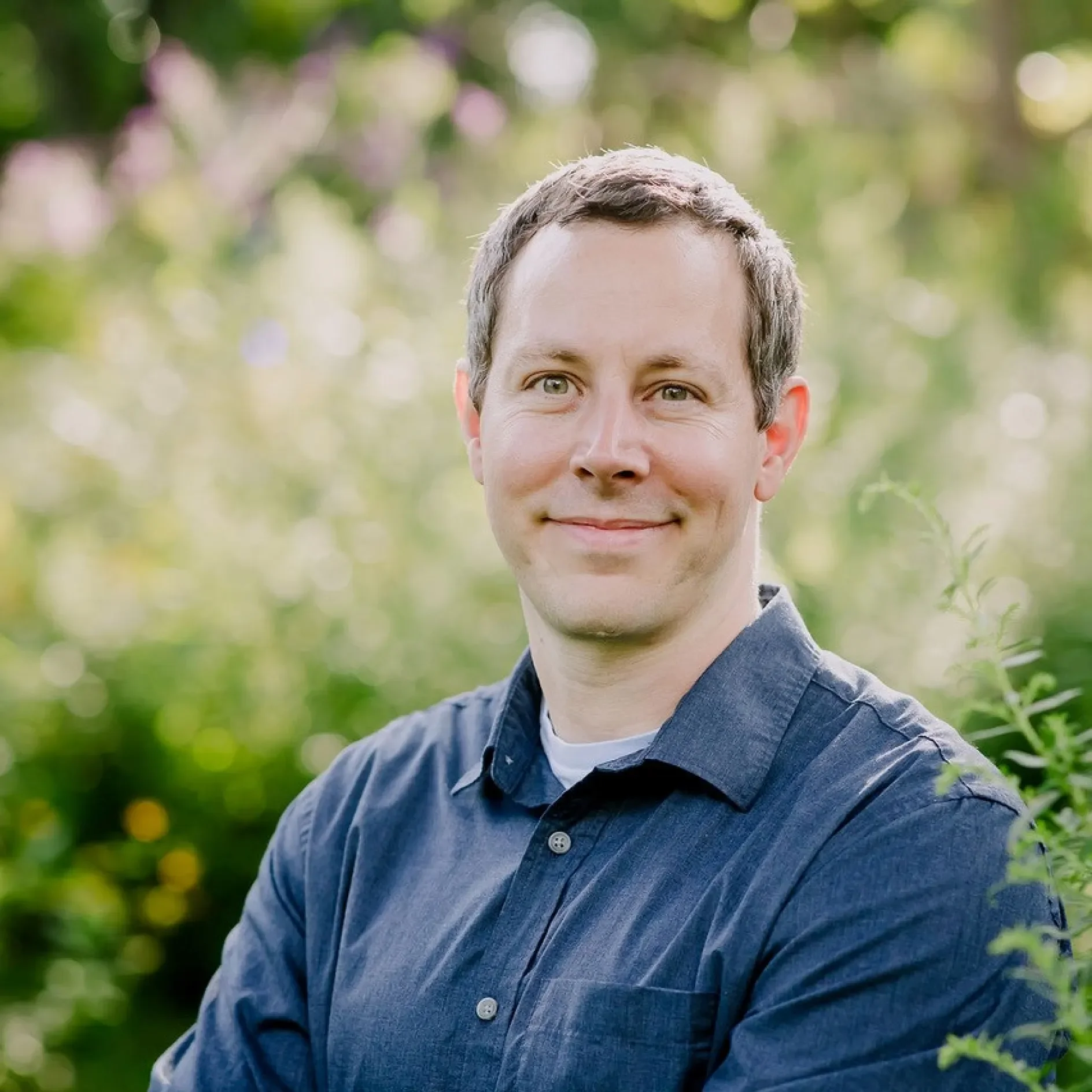
Principal Investigator
Andreas Kautt, PhD (Organismal Biology)
Assistant Professor of Biology
Washington University in St. Louis
Lab website: https://sites.wustl.edu/kauttlab
Email: kautt@wustl.edu
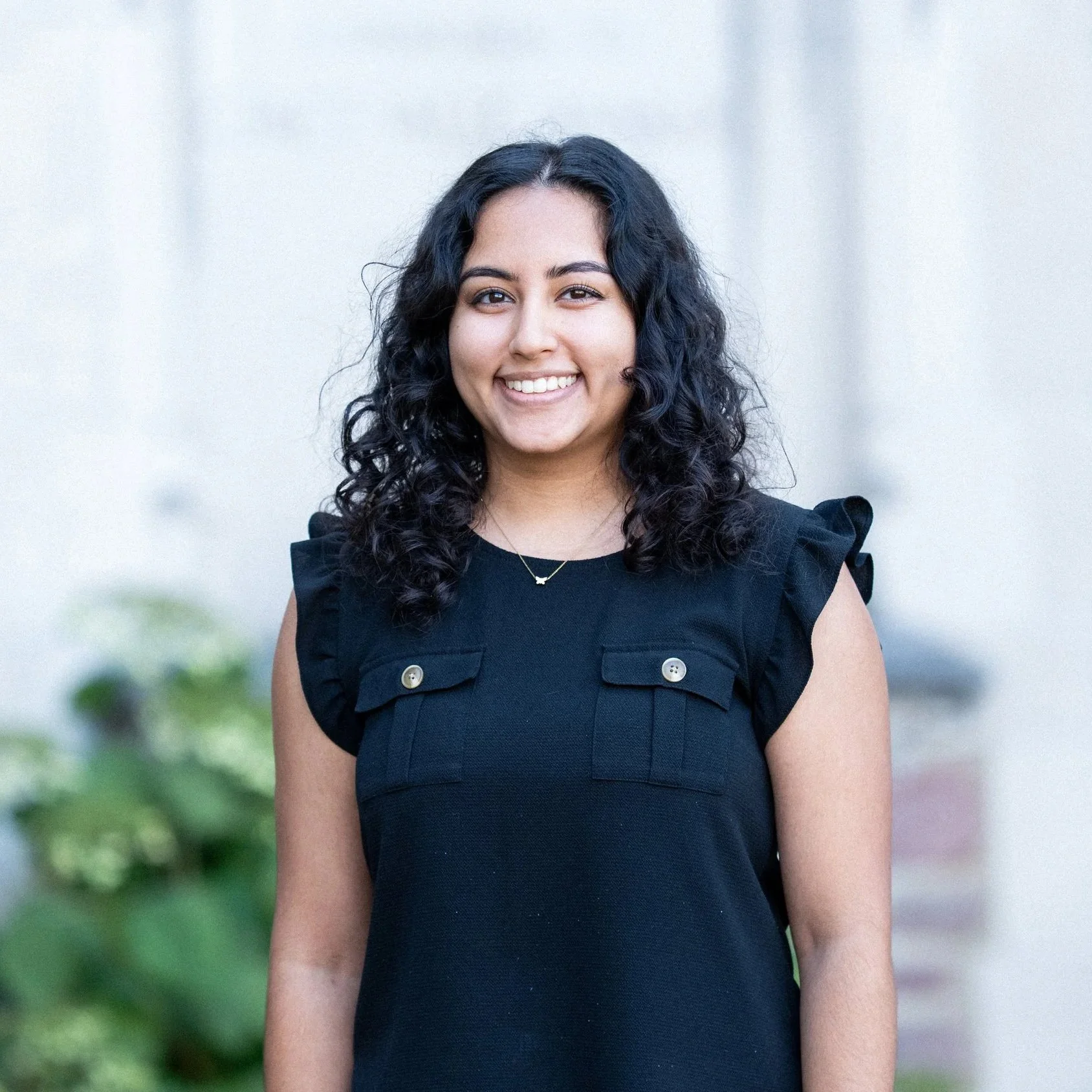
Anouka Saha, BS (Mathematics)
PhD Candidate, Ecology and Evolutionary Biology program
Washington University in St. Louis
Email: asaha@wustl.edu
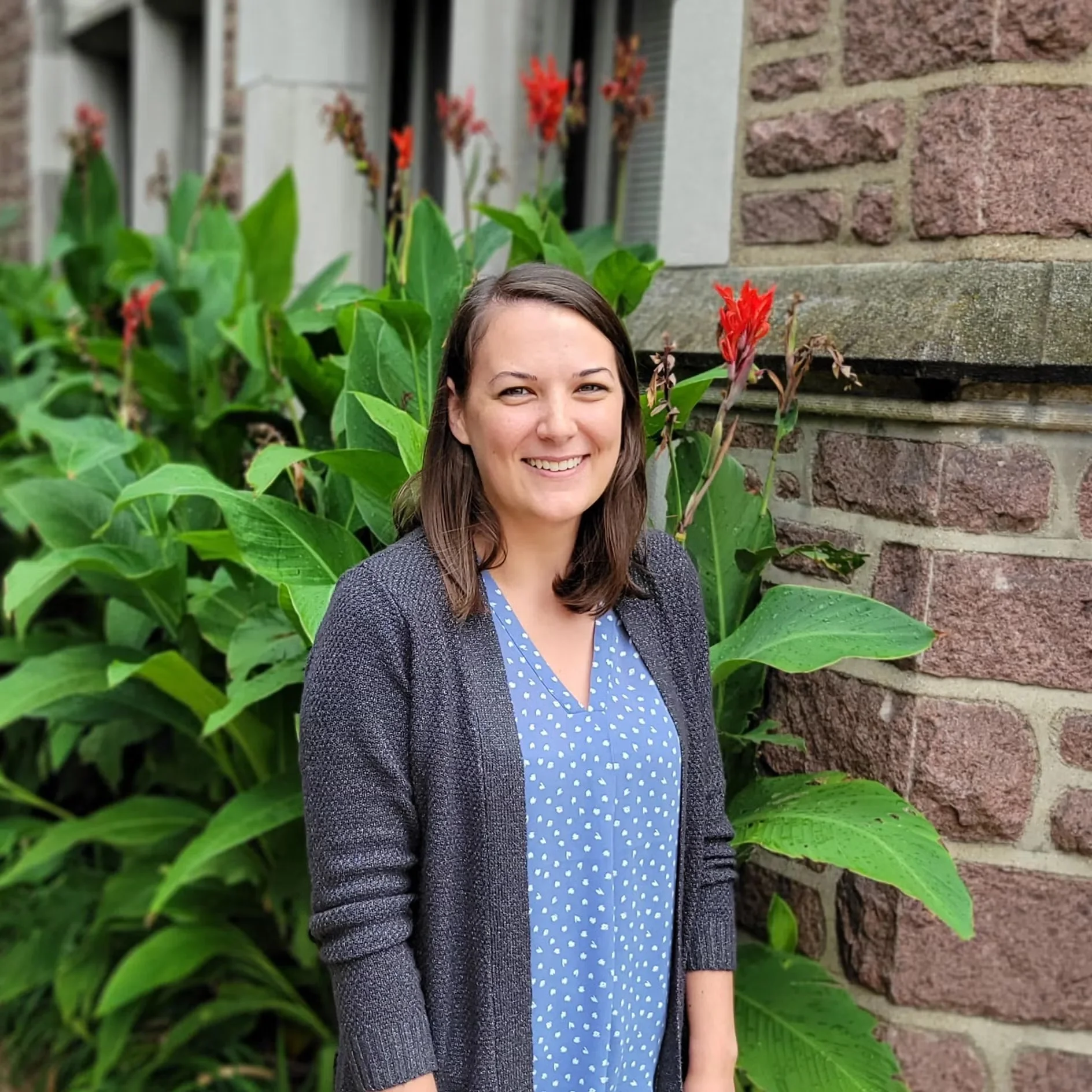
Kristina Ottens, MS (Biology)
Kautt Lab Manager
Washington University in St. Louis
Email: ottens@wustl.edu
Research focus for summer 2026
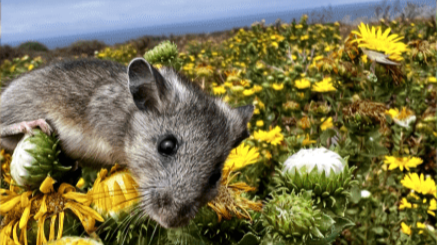
Our team seeks to investigate the evolution of animal behavior, with a focus on behaviors affected by smell. We are using deer mice because they are very diverse and abundant.
A primary question our group is working on is how do deer mice respond to various odors? To answer this, we are focusing on three main questions over the summer:
How do deer mice respond to predator and novel odors? Research in lab mice and rats has shown that small rodents are born with characteristic fear responses to predator smells. Whether these patterns hold in wild mice found at Tyson Research Center remains to be seen. To do so we will set live traps to catch deer mice overnight before running behavioral experiments in the field the next morning. The behavioral experiments will consist of filming the mice's response to various odors.
Do deer mice change their behaviors in different habitats? Though deer mice are found almost everywhere in the U.S., including both rural and urban settings, not much work has been done to understand exactly how they are living in and using drastically different habitats. To do so we plan to repeat the behavioral and camera trap experiments done in rural environments, namely Tyson and Shaw Nature Preserve, in urban settings, using local parks and neighborhoods around St. Louis. This will help us identify if there are behavioral differences between urban and rural mice.
What factors cause deer mice to overcome their fear behavior? Toxoplasmosis has been shown to cause mice to be less fearful of predator smells. To investigate the prevalence of toxoplasmosis in the deer mouse population and compare behavior recordings of non-infected with toxo-infected mice we will take non-invasive blood samples. In addition, we will look at what could induce a mouse to be bolder. To do this we will use camera traps baited with different combinations of odors and food with varying nutritional content. The camera traps will capture the visitation rates of mice and will help us better understand the risk/reward tradeoff.
Skills
techniques
methods
Students will gain experience working in a team and will receive training in the following areas:
Project design
You will work collaboratively to design an experiment involving camera trapping. You will develop skills in thinking critically about a question and how to answer it. You may also assist in building the traps.
Field experiments
You will learn how to bait and set both live animal traps and camera traps, collect/check traps, set up behavioral experiments, and identify common animals seen in the traps. You may also assist in collecting demographic and biological information such as sex, weight, morphometrics, and blood and tissue samples. You will learn best practices when working with small mammals and collecting field tissue samples.
Lab experiments
You will have the opportunity to assist with basic lab techniques such as DNA extraction, PCR, gel electrophoresis, and ELISAs. You will learn proper techniques for working in a molecular wet lab.
Data collection, management, and analysis
You will gain experience keeping detailed field and lab notebooks, entering data, and analyzing behavior videos. You will also gain experience in basic small mammal identification analyzing camera trap footage.
research conditions
Students can expect to spend 2-4 days per week in the field trapping mice and checking camera traps and the remaining days in the lab analyzing data or shadowing molecular experiments.
Field work will be done primarily in forested areas with varying levels of ground vegetation. Mouse trapping will require carrying equipment short distances and a moderate amount of walking along trails or into the forest. Camera trapping could require extensive hiking over hilly terrain. Students will need to take precautions against ticks, mosquitoes, thorny plants, poison ivy, heat, and sunburn. Students should also be aware of snakes, spiders, and other stinging insects.
In addition to working at Tyson Research Center, students will also have the opportunity to work off-site in local areas setting mouse and camera traps as well as at the Kautt Lab at Washington University for analyzing results and assisting with molecular work.
Team structure and opportunities for independent research
Our team will consist of a primary research mentor (Andi Kautt), a graduate student, a research assistant, and 2-4 summer research students. We will plan on meeting weekly as a lab to discuss project progress. Depending on the number of students and their desire to analyze data vs collect, there could be 2 groups (1 to run the behavior assay and check camera traps and 1 to check camera traps and redeploy live traps) or one group working collaboratively. Students will always be supervised by the primary research mentor, research assistant, or graduate student. Students are encouraged to help design experiments and construct new camera trap set ups and may have the opportunity to be near-peer mentors for high school assistants. Each student will present a poster at the Tyson Summer Research Symposium at the end of the field season.
We encourage motivated students to pursue individual research projects. These can include: (1) data collection, data analyses, and/or data syntheses that lead to a research poster presentation at the Washington University Undergraduate Research Symposium; (2) independent research for course credit (Biol 4950) in the fall or spring semesters; and (3) senior honor theses that lead to research presentations at professional conferences and/or peer-reviewed publications. Students interested in senior honors theses should contact Andi Kautt prior to the start of the field season.